

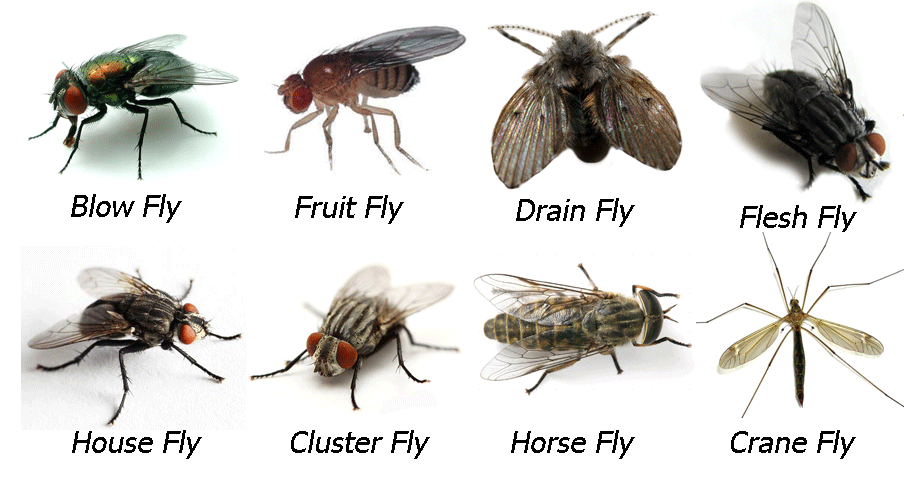
When it comes to effective fly control, It is important to apply a combination of targeted treatments, preventive measures, and ongoing monitoring. Here’s an out lines of CPC strategy for flying insect’s control:
- Identification and Source Reduction
- Accurate Identification: Pinpointing the specific fly species (house flies, fruit flies, drain flies, etc.) is essential, as each requires tailored treatment.
- Source Elimination: Identifying and eliminating breeding sites, such as decaying organic matter, standing water, and food sources, is a primary focus.
- Chemical Control
- Targeted Insecticides: Applying insecticides strategically, either as residual sprays or fogging treatments, can quickly reduce fly populations.
- Bait Stations: Placing bait stations containing insecticides can attract and kill flies, especially in areas with high infestations.
- Non-Chemical Control
- Physical Barriers: Installing screens on windows and doors can prevent flies from entering buildings.
- providing electronic insects’ killer.
- Traps: Using sticky traps or electronic fly killers can capture and kill flies.
- Sanitation recommendations: we recommend Maintaining cleanliness and proper hygiene practices, such as frequent cleaning and waste disposal, can significantly reduce fly populations.
- Integrated Pest Management (IPM)
- Combining Methods: Implementing a comprehensive IPM approach, which incorporates multiple control methods, can provide long-term, sustainable fly control.
- Monitoring and Evaluation: Regular monitoring of fly populations and adjusting treatment strategies as needed is crucial.